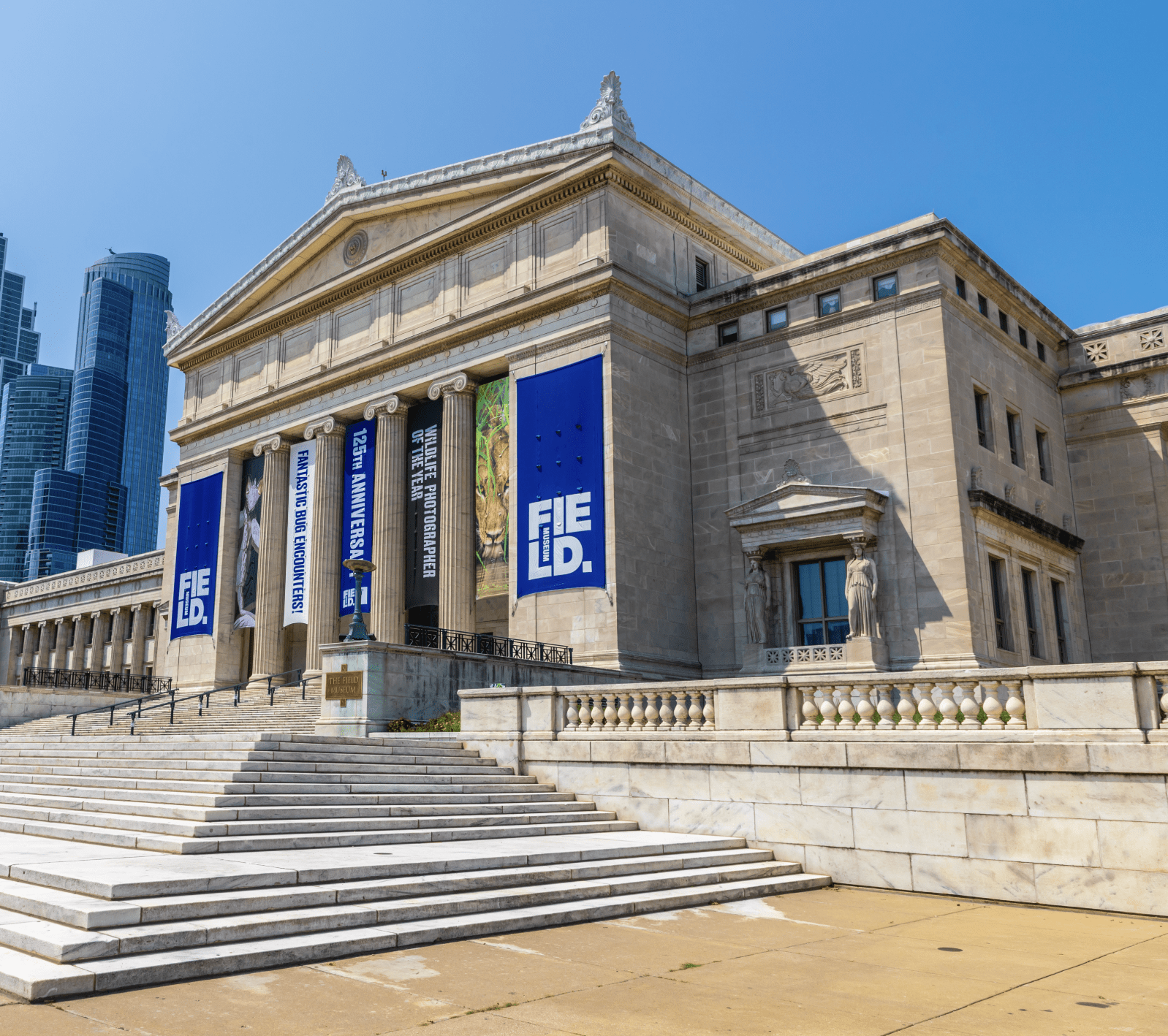
There are roughly 35,000 museums across the United States, according to federal estimates from the Institute of Museum and Library Services. (Sergii Figurnyi/Adobe Stock)
A recent report from the Pew Research Center found Americans are now more divided and less trusting of one another than at any point in recent decades but one institution still cuts across political and cultural lines: the museum.
Surveys show Americans overwhelmingly trust museums as nonpartisan sources of education and leaders said such trust comes with responsibility.
Devon Akmon, director of the Michigan State University Museum and CoLab Studio, points out museums are unique in the broader landscape because they are still considered trusted institutions.
“I think that’s really important, when you think about the breadth and scope, right now, of distrust around information in our nation,” Akmon explained. “That goes across political lines and partisanship. That’s a sacred trust that we think with museums, that we can serve as vital social infrastructure.”
At the MSU Museum, the approach is taking shape through a new exhibition called “Blurred Realities,” which explores how technology, bias and digital media influence what people believe. The exhibit opens Jan. 15 and runs through July in East Lansing.
As public debate moves online, often fueled by misinformation and polarization, some museums are leaning into their role as physical spaces for conversation. Akmon stressed the goal is not to tell visitors what to think but to give them tools to navigate an increasingly complicated information landscape.
“The thing that’s most important to us is creating space for our communities to explore this topic, to see how it impacts their lives,” Akmon emphasized. “And hopefully give them some agency and knowledge as they move forward to navigate this complex information ecosystem we’re in.”
Akmon added creating room for curiosity and dialogue is part of preserving public trust and he hopes to help people learn how to listen across differences at a time when democracy depends on it.