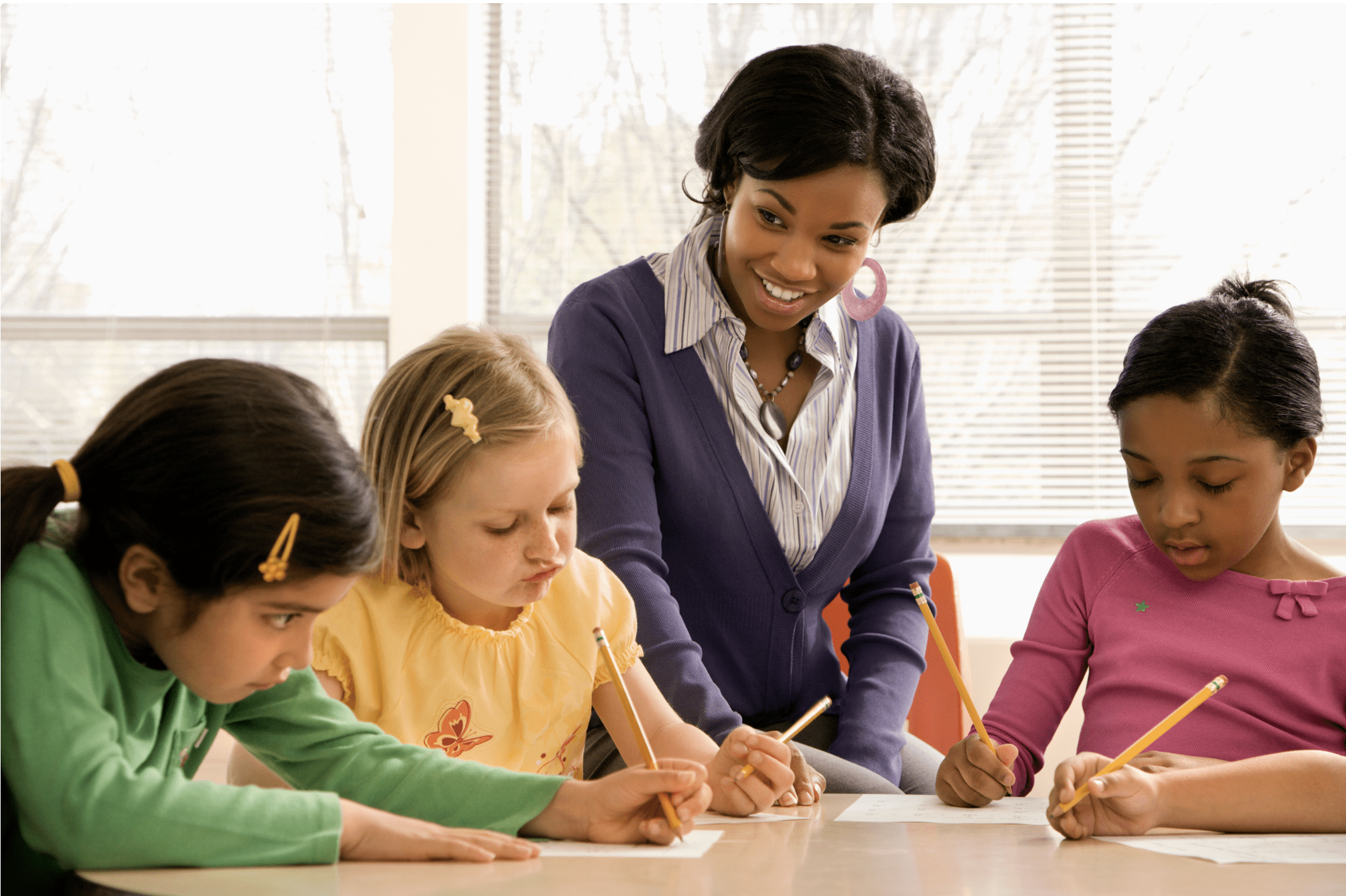
Roughly a third of justice-involved youth have a disability that would make them eligible for special education services, a rate several times higher than among students overall, according to the U.S. Department of Education’s Office of Special Education Programs. (Adobe Stock)
Advocates say one of the strongest predictors of whether a child ends up in Michigan’s juvenile justice system starts in underfunded special-education classrooms, where support is stretched thin.
A proposal known as the Michigan Special Education Finance Reform Blueprint aims to make a change. It would overhaul how the state pays for special education and address root causes of what some experts call the “school-to-justice pipeline.”
“When we look at the population of justice-involved youth, so many of them have either identified or very often un-identified connection with disability,” said Heather Eckner, director of statewide education for the Autism Alliance of Michigan. “So, there’s the well-known term of the school-to-prison pipeline.”
The blueprint, developed with bipartisan legislative support and input from educators, families and disability advocates, has been delivered to the Michigan Legislature and Gov. Gretchen Whitmer. It’s now being considered as lawmakers weigh education funding priorities in the current budget cycle.
Supporters have said the proposed overhaul is also about fixing an outdated funding structure. Eckner said the problem starts with a funding system that no longer reflects the realities in today’s classrooms.
“Historically, Michigan’s special-education funding system is outdated,” she said. “It’s misaligned with what students need, and it doesn’t consistently provide districts with the resources required.”
Education leaders have said the blueprint’s recommended weighted funding model could help districts intervene earlier, improve graduation rates for students with disabilities and reduce the risk of vulnerable youth being pushed from classrooms into the justice system. Eckner added that supporting students with disabilities is the starting point for schools statewide.
“This is how the rising tide will lift all ships in our Michigan public schools,” she said.
Michigan currently covers around 30% of special-education costs, among the lowest in the nation.